Latest News

Latest News

What to Do If You Are Sick

What to Do If You Are Sick

Do you think you may have COVID-19? If you think you’re sick, follow guidance about when to call your doctor:


• Monitor your symptoms
• Call ahead before visiting your doctor
• Avoid close contact with others when you’re out


Most people who get COVID-19 can take care of themselves at home. If you need to see a doctor, take precautions to protect yourself and others around you.

See more: https://www.cdc.gov/coronavirus/2019-ncov/if-you-are-sick/steps-when-sick.html

Coping with Stress

Coping with Stress

Everyone reacts differently to stressful situations like COVID-19. You may feel anxiousness, anger, sadness, or overwhelmed. Find ways to reduce your stress to help yourself and the people you care about.


• Learn the common signs of stress.
• Make time to unwind and do activities you enjoy.
• Talk with family and friends by phone, text, or email.

If you or a loved one is feeling overwhelmed, get support 24/7 by calling 1-800-985-5990 or text TalkWithUs to 66746.

Learn more about stress and coping during the COVID-19 outbreak: https://www.cdc.gov/coronavirus/2019-ncov/prepare/managing-stress-anxiety.html

Information provided by the Centers for Disease Control and Prevention

Hand Hygiene Recommendations

Hand Hygiene Recommendations

Hand hygiene is an important part of the U.S. response to the international emergence of COVID-19. Practicing hand hygiene, which includes the use of alcohol-based hand rub (ABHR) or handwashing, is a simple yet effective way to prevent the spread of pathogens and infections in healthcare settings. 

Hand Hygiene means cleaning your hands by using either handwashing (washing hands with soap and water), antiseptic hand wash, antiseptic hand rub (i.e. alcohol-based hand sanitizer including foam or gel), or surgical hand antisepsis

Cleaning your hands reduces:

  • The spread of potentially deadly germs to patients
  • The risk of healthcare provider colonization or infection caused by germs acquired from the patient

Methods for Hand Hygiene: Alcohol-Based Hand Sanitizer vs. Washing with Soap and Water

  • Alcohol-based hand sanitizers are the most effective products for reducing the number of germs on the hands of healthcare providers.
  • Alcohol-based hand sanitizers are the preferred method for cleaning your hands in most clinical situations.
  • Wash your hands with soap and water whenever they are visibly dirty, before eating, and after using the restroom.

Learn more at: https://www.cdc.gov/handhygiene/providers/index.html

Content provided by the Centers for Disease Control and Prevention.

Deciding to Go Out

Wondering how you can do your daily activities safely while protecting yourself and your loved ones from COVID-19?

The more closely you interact with others and the longer that interaction, the higher the risk of COVID-19 spread.

So, think about

  • How many people will be there?
  • Will the space be indoors or outdoors?
  • Will you spend a lot of time with others?

(“PST” here’s a hint – think People, Space, and Time.)Learn more about assessing the risk when you‘re deciding to go out: https://www.cdc.gov/coronavirus/2019-ncov/daily-life-coping/deciding-to-go-out.html

Healthcare Personnel and First Responders: How to Cope with Stress and Build Resilience During the COVID-19 Pandemic

Healthcare Personnel and First Responders: How to Cope with Stress and Build Resilience During the COVID-19 Pandemic

Providing care to others during the COVID-19 pandemic can lead to stress, anxiety, fear, and other strong emotions. How you cope with these emotions can affect your well-being, the care you give to others while doing your job, and the well-being of the people you care about outside of work.

During this pandemic, it is critical that you recognize what stress looks like, take steps to build your resilience and cope with stress, and know where to go if you need help.

Tips to cope and enhance your resilience:

  • Communicate with your coworkers, supervisors, and employees about job stress.
  • Remind yourself that everyone is in an unusual situation with limited resources.
  • Identify and accept those things which you do not have control over.
  • Recognize that you are performing a crucial role in fighting this pandemic and that you are doing the best you can with the resources available.
  • Increase your sense of control by keeping a consistent daily routine when possible — ideally one that is similar to your schedule before the pandemic.
  • When away from work, get exercise when you can. Spend time outdoors either being physically activity or relaxing. Do things you enjoy during non-work hours.
  • Take breaks from watching, reading, or listening to news stories, including social media. Hearing about the pandemic repeatedly can be upsetting and mentally exhausting, especially since you work with people directly affected by the virus.
  • If you feel you may be misusing alcohol or other drugs (including prescriptions), ask for help.
  • Engage in mindfulness techniques such as breathing exercises and meditation.
  • If you are being treated for a mental health condition, continue with your treatment and talk to your provider if you experience new or worsening symptoms.

 Learn more at: https://www.cdc.gov/coronavirus/2019-ncov/hcp/mental-health-healthcare.html?CDC_AA_refVal=https%3A%2F%2Fwww.cdc.gov%2Fcoronavirus%2F2019-ncov%2Fcommunity%2Fmental-health-healthcare.html

What’s the Difference Between COVID-19 and Seasonal Allergies?

What’s the Difference Between COVID-19 and Seasonal Allergies?

When choosing to go out in public or visit a loved one at higher risk, the Centers for Disease Control and Prevention (CDC) recommends we pay close attention to our symptoms. For those of us with seasonal allergies, understanding symptoms  can present a challenge!  

Seasonal allergies triggered by airborne pollen can lead to seasonal allergic rhinitis, which affects the nose and sinuses, and seasonal allergic conjunctivitis, which affects the eyes. Your sniffles and sneezes may seem like symptoms of COVID-19.

While COVID-19 and seasonal allergies share many symptoms, there are some key differences between the two. 

For example, COVID-19 can cause fever, which is not a common symptom of seasonal allergies. The image below compares symptoms caused by allergies and COVID-19.

seasonal allergies infographic

*Seasonal allergies do not usually cause shortness of breath or difficulty breathing, unless a person has a respiratory condition such as asthma that can be triggered by exposure to pollen.

This is not a complete list of all possible symptoms of COVID-19 or seasonal allergies. Symptoms vary from person to person and range from mild to severe. You can have symptoms of both COVID-19 and seasonal allergies at the same time.

If you think you have COVID-19, follow CDC’s guidance on ”What to do if you are sick.” If you have an emergency warning sign (including trouble breathing), seek emergency medical care immediately.

How to Safely Wear and Take Off a Mask | Covid-19

How to Safely Wear and Take Off a Mask | Covid-19

Covid-19 has been found to spread mainly from person to person via respiratory droplets produced when an infected person coughs, sneezes, or talks. The Centers for Disease Control and Prevention recommends wearing face masks to help slow the spread of COVID-19 when combined with every day preventive actions and social distancing in public settings.

Here are some guidelines on how to properly wear and take off a mask.

WEAR YOUR MASK CORRECTLY

  • Wash your hands before putting on your mask
  • Put it over your nose and mouth and secure it under your chin
  • Try to fit it snugly against the sides of your face
  • Make sure you can breathe easily
  • Do not place a mask on a child younger than 2


USE A MASK TO HELP PROTECT OTHERS

  • Wear a mask to help protect others in case you’re infected but don’t have symptoms
  • Keep the mask on your face the entire time you’re in public
  • Don’t put the mask around your neck or up on your forehead
  • Don’t touch the mask, and, if you do, clean your hands


FOLLOW EVERYDAY HEALTH HABITS

  • Stay at least 6 feet away from others
  • Avoid contact with people who are sick
  • Wash your hands often, with soap and water, for at least
  • 20 seconds each time
  • Use hand sanitizer if soap and water are not available


TAKE OFF YOUR MASK CAREFULLY WHEN YOU’RE HOME

  • Untie the strings behind your head or stretch the ear loops
  • Handle only by the ear loops or ties
  • Fold outside corners together
  • Place mask in the washing machine
  • Wash your hands with soap and water

For more info, see: cdc.gov/coronavirus

Protecting Your Friends | Covid-19

https://www.youtube.com/watch?v=Mn6axdkbGd4
As students start returning to school, it’s important to remember to follow these steps to protect your friends & yourself.
RESIDENT SPOTLIGHT | South Shore | Kenny

RESIDENT SPOTLIGHT | South Shore | Kenny

Kenny Rhoden came to South Shore Nursing and Rehabilitation after he had been in an ATV accident which badly injured his knee. He had to have surgery and then chose to receive inpatient therapy. When Mr. Rhoden first admitted, he was not able to walk and was limited to his bed. He worked very hard and participated in therapy for two months. Mr. Rhoden was excited to hit a major milestone when he walked for the first time since his injury! He said everyone at South Shore was great, but nothing is better than being home! We are so proud his accomplishments and he is true inspiration to all of us!


Please note that this photo was taken prior to Covid-19 rules and regulations.

Traveling & Covid-19

If you are traveling, help stop the spread of COVID-19 and other respiratory illnesses by following these steps. 

RESIDENT SPOTLIGHT | Gary

RESIDENT SPOTLIGHT | Gary

Gary Glispie came to South Shore Nursing and Rehabilitation after a hospital stay. Mr. Glispie had increased weakness, was unable to complete daily tasks and wasn’t able to return home. Mr. Gilspie worked hard with the Therapy Team and can now complete all daily activities! Mr. Gilspie has returned home to his wife! He states he would definitely recommend us to friends, family and community members! Congratulations, Mr Gilspie!

Youth Sports & Covid-19

https://www.youtube.com/watch?v=LMBzjaVRChY
As we try moving toward a new normal, Summer sports are starting back up. Here are some tips and recommendations to keep you and your players safe during the Covid-19 Pandemic.
Food & Covid-19

Food & Covid-19

Currently, there is no evidence to suggest that handling food or consuming food is associated with COVID-19.

Coronaviruses, like the one that causes COVID-19, are thought to spread mostly person-to-person through respiratory droplets when someone coughs, sneezes, or talks. It is possible that a person can get COVID-19 by touching a surface or object, including food or food packaging, that has the virus on it and then touching their own mouth, nose, or possibly their eyes. However, this is not thought to be the main way the virus spreads.

After shopping, handling food packages, or before preparing or eating food, it is important to always wash your hands with soap and water for at least 20 seconds. If soap and water are not available, use a hand sanitizer that contains at least 60% alcohol. Cover all surfaces of your hands and rub them together until they feel dry. Remember, it is always important to follow good food safety practices to reduce the risk of illness from common foodborne pathogens.


Content Source: The Center for Disease Control and Prevention

Testing for Covid-19

Testing for Covid-19

Viral tests check samples from your respiratory system, such as a swab from the inside of your nose, to tell you if you currently have an infection with SARS-CoV-2, the virus that causes COVID-19. Some tests are point-of-care tests, meaning results may be available at the testing site in less than an hour. Other tests must be sent to a laboratory to analyze, a process that takes 1–2 days once received by the lab.


How to get a Viral Test

Here is some information that may help you make decisions about getting a viral test:

• Most people have mild illness and can recover at home without medical care. Contact your healthcare provider if your symptoms are getting worse or if you have questions about your health.
• Decisions about testing are made by state and local health departments or healthcare providers.
• If you have symptoms of COVID-19 and are not tested, it is important to stay home.


What to do After a Viral Test
• If you test positive for COVID-19, know what protective steps to take if you are sick or caring for someone.
• If you test negative for COVID-19, you probably were not infected at the time your sample was collected. However, that does not mean you will not get sick. The test result only means that you did not have COVID-19 at the time of testing. You may test negative if the sample was collected early in your infection and test positive later during your illness. You could also be exposed to COVID-19 after the test and get infected then. This means you could still spread the virus. If you develop symptoms later, you may need another test to determine if you are infected with the virus that causes COVID-19.

COVID-19 testing differs by location. If you have symptoms of COVID-19 and want to get tested, call your healthcare provider first. You can also visit your state or local health department’s website to look for the latest local information on testing.

To Our Residents and Family Members:

On June 25th, Governor Beshear provided guidance to safely open visitation of nursing homes. As part of the reopening initiative, South Shore Nursing and Rehabilitation will begin to allow visitors on July 15th; however, there are specific guidelines that must be followed. Our top priority is keeping our residents and care team members safe, and we feel the guidelines below will ensure their safety.
Visits must be pre-arranged or scheduled by calling the center. No visits will be allowed unless it has been pre-arranged. Visits will be limited per day and no longer than 45 minutes time per visit.
We will allow only 2 visitors at a time and the visitors must wear masks and practice social distancing at all times which will not allow touching or hugging.
All visits will take place outside of the facility. Visitors are not allowed in care areas of the facility and due to the size and layout of our center, our only option is to restrict visits to an outside area. With that said, please keep in mind that visits may be canceled due to the weather or extreme temperatures.
If a resident is unable to visit outside, we cannot accommodate in-person visits at this time. We can set up a time to connect to the resident by way of video if you contact the Activity Department.
All visitors will be screened at the time of the visit and will be asked to self-monitor and practice all recommended precautions before and after the visit. You will be required to utilize hand sanitizer prior to the visit, wear a mask and sign a visitor attestation form.
Please do not visit if you or anyone that you have been in contact with has been ill or has been diagnosed with COVID 19. Please also report if you or anyone that you have been in contact with becomes ill or is diagnosed with COVID 19 soon after a visit.
Visits can be declined or ceased at any time. This can occur if the guidelines are not followed by visitors or if there is an onset of symptoms or new COVID 19 cases within the center, either with residents or care team members.
Notification of any changes will be posted to our Facebook page and website. It will also be mailed to our residents and/or responsible parties. You can also call the center at any times to see if there are any updates or changes to the visitation policy. We will also be updating our website at www.southshorenr.com and will be adding an electronic calendar to also schedule visits as soon as possible.
Thank you for your time and patience.

Sincerely,
Tammie Tuttle
Executive Director

Visiting Friends and Family with Higher Risk for Severe Illness

https://www.youtube.com/watch?v=YzpWyXkT6zg
When you visit friends & family who are at higher risk for severe illness from COVID-19, take these important steps. Wear cloth face coverings, stay at least 6 feet apart, meet outside if possible, wash your hands often, & sanitize all touched surfaces.
Cleaning and Disinfecting

Cleaning and Disinfecting

When cleaning and disinfecting a public space, workplace, business, school or even your home, you have to put together a plan. Cleaning with soap and water removes germs, dirt, and impurities from surfaces while disinfecting actually kills the germs on surfaces. Cleaning lowers the risk of spreading infection, but disinfecting can even further lower that risk. Once you have a plan in place, you must implement then maintain and revise.

Develop Your Plan

  • Determine what needs to be cleaned
  • Determine how areas will be disinfected
  • Consider the resources and equipment needed

Consider the type of surface and how often the surface is touched. Prioritize disinfecting frequently touched surfaces and be mindful of the availability of products needed and PPE.

Implement the Plan

  • Clean visibly dirty surfaces with soap and water prior to disinfection
  • Use the appropriate cleaning or disinfecting product
  • Always follow the directions on the label

Maintain and Revise the Plan

  • Continue routine cleaning and disinfection
  • Maintain safe practices
  • Continue practices that reduce the potential for exposure

Continue to revise and improve upon your plan based on the appropriate disinfectant and PPE availability. Frequently wash your hands, use cloth face coverings and stay home while you are sick.


Content Source: The Center for Disease Control and Prevention

Slowing the Spread by Social Distancing

Slowing the Spread by Social Distancing

If you have read our previous articles, you know that Covid-19 spreads mainly among people who are in close contact with one another for a prolonged period of time. When an infected person coughs, sneezes, or talks, droplets from their nose or mouth are scattered into the air and land in the mouths or noses of those they’re around. This is why it is important to maintain social distancing.

Social distancing means to keep space between yourself and others outside of your home. To practice social distancing, stay at least 6 feet away from others (two arm lengths apart).

Limiting close contact with others outside your household in indoor and outdoor spaces is one of the best tools we have to avoiding exposure to the virus and it will ultimately slow the spread of the virus and flatten the curve. Since people can spread the virus before they know they are even sick, it is important to stay away from others whenever possible; even if they are not presenting symptoms.

Many people have personal circumstances or situations that present challenges with practicing social distancing, but with each person who does practice proper social distancing, wears a fabric mask in everyday activities where social distancing is challenged, we can flatten the curve and get through this together.

Fabric Face Coverings

Fabric Face Coverings

Covid-19 has been found to spread mainly from person to person via respiratory droplets produced when an infected person coughs, sneezes, or talks. Studies show that these droplets can usually travel around 6 feet and can land in the mouths or noses of people who are within that distance and possibly be inhaled into the lungs. Wearing a cloth face covering may not protect the wearer directly, but it may keep the wearer from spreading the virus to others. The Center for Disease Control recommends wearing cloth face coverings in public settings where other social distancing measures are difficult to maintain.

Examples of those settings include:
• Grocery stores
• Pharmacies
• Gas stations
• Post Office
• Bank


Cloth face coverings are encouraged because they will slow the spread of the virus and help people who may have the virus (and don’t know it yet) from transmitting it to others.

How to wear your face covering correctly:
• Wash your hands before putting on your cloth face covering
• Wear it over your nose and mouth and secure it under your chin
• Try to fit the cover snuggly against the sides of your face
• Make sure you can breathe easily


Wearing face coverings is a way to protect those around you. It is encouraged to be worn so you do not transmit the virus to others if you have it and are not presenting symptoms yet; though there are things to keep in mind for your own safety in removing the covering properly.

Examples include:
• Don’t put the covering around your neck or up on your forehead
• Do not touch the face covering, and if you do, wash or sanitize your hands afterwards
• Keep the covering on your face the entire time you’re in public
• Handle only by the ear loops
• Fold outside corners in together
• After removing, do not touch your eyes, nose, or mouth, and wash your hands immediately after removing


Our care team members are required to wear medical grade masks at all times while in our communities. Cloth face coverings are encouraged outside of medical facilities and should only be worn in situations like the ones listed above.

South Shore & Covid-19

Please take a moment to hear about what we are doing to stop the spread, how our residents are doing, and what makes us different.


Stress During Covid-19

Stress During Covid-19

Per the Center for Disease Control, the outbreak of Covid-19 may be stressful for people. Fear and anxiety about a disease can be overwhelming and cause strong emotions in those affected.


Stress during an infectious disease outbreak can include:
• Fear and worry about your own health and the health of your loved ones.
• Changes in sleep or eating patterns.
• Difficulty sleeping or concentrating


Here are some ways you can help cope with this stress:

• Take breaks from watching, reading, or listening to news stories, including social media. Hearing about the pandemic repeatedly can be upsetting.
• Take care of your body
• Take deep breaths
• Stretch
• Eat healthy, well-balanced meals
• Exercise regularly
• Get plenty of sleep
• Try to do some other activities you enjoy.
• Talk with people you trust about your concerns and how you are feeling.

Proper Handwashing Technique

Per the Center for Disease Control (CDC),Hand hygiene is an important part of the U.S. response to the international emergence of COVID-19. Practicing hand hygiene, which includes the use of alcohol-based hand rub (ABHR) or handwashing, is a simple yet effective way to prevent the spread of pathogens and infections in healthcare settings. CDC recommendations reflect this important role. Please refer to the handwashing diagram (below) provided by the World Health Organization to learn how to properly and most effectively wash your hands.

What You Should Know About Covid-19

What You Should Know About Covid-19

According to the World Health Organization (WHO), Coronavirus, also known as COVID-19, is a new infectious disease. Most people that become infected with COVID-19 will experience mild or moderate systems that affect an individual’s respiratory system. Individuals that are at greater risk for severe systems of COVID-19 are those that are older in age and those that have underlying medical problems. Some individuals with COVID-19 may be asymptomatic. Asymptomatic is when an infected person shows no signs or symptoms of the disease.

We have been doing many things to help prevent the spread of COVID-19. Taking the temperature of each Care Team Member as they arrive to the facility, providing each Care Team Member and resident with personal protective equipment (PPE), social distancing, proper hand washing, and educating everyone how to properly wear PPE that is being provided are ways in which we are preventing the spread of Covid-19 in our communities.

Symptoms of COVID-19 include:
• cough
• shortness of breath
Or at least 2 of these symptoms:
• fever
• chills
• repeated shaking with chills
• muscle pain


Our team is monitoring all residents for any sign or symptom of COVID-19. Once a concern arises, we are quarantining that individual and increasing our vital and wellness checks. With a physician’s order, we will then place a request for a test. Testing time can vary as it is dependent on the lab and availability of the test. Once a test result is received, any necessary next steps are taken.

In regards to the above information, isolation and quarantine are both used to help decrease the spread but are very different. Isolation is used to keep residents a part from one another. Meals, activities, therapy and other care are being provided in isolation in a Residents room. Quarantine, on the other hand, is used to place an individual that has been exposed to the infection away from other Residents.

During this time, visitation has been suspended for all family members, guests and other visitors. Only essential personnel is allowed in and out of the facility in order to prevent the spread of COVID-19. However, we understand the difficulty and impact this has on family, friends and residents. The facility is happy to arrange other opportunities to visit with residents. We are happy to help a resident with FaceTime, Zoom meetings, Facebook Messenger calls, and other media platforms as we have supplied each of our communities with iPads for this purpose. If you would like to schedule this type of communication, please call the facility and you will be directed to the appropriate Care Team Member. Once notified, we will help any resident with technology or with any adaptive equipment they may need. We are also happy to coordinate window visits and drive through parades to help lessen the strain of visitor restrictions. As always, we encourage notes and letters to be dropped off or sent.

For more information regarding COVID-19 please visit CDC.gov or http://www.coronavirus.in.gov and continue following our COVID-19 updates here.

Resident Success Story: Mr. Westfall

Resident Success Story: Mr. Westfall

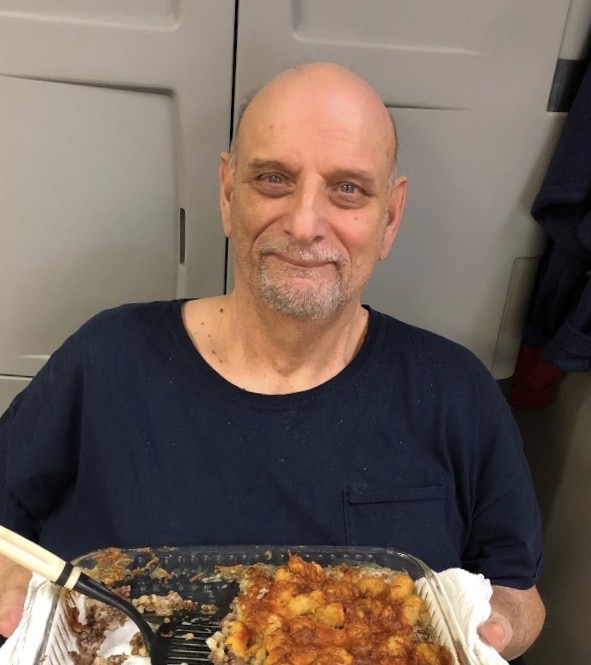
Clifford Westfall chose to return to South Shore Nursing and Rehabilitation for his therapy. He says that he “really loves the staff and wouldn’t go anywhere else.” Mr. Westfall continues to progress with therapy and keeps meeting his goals. While in therapy, Mr. Westfall made Tator Tot Casserole and loved it! He can’t wait to go home to make it again!

Resident Success Story: Helen Cooley

Resident Success Story: Helen Cooley

Helen Cooley is a long-term resident at South Shore Nursing and Rehabilitation. She has been here for a few years and we just love seeing her smile. Mrs. Cooley loves attending activities every day.  Once a month you will find her bringing order to our Resident Council as she serves as the Resident Council President.  Mrs. Cooley said she loves it here and she loves the Care Team Members who all take great care of her!